
Understanding One-Piece Upflush Toilets

When it comes to modern bathroom solutions, one-piece upflush toilets have carved a niche for themselves. These innovative fixtures offer a practical alternative to traditional plumbing setups, especially in spaces where conventional drainage systems are challenging to install. In this article, I will walk you through the essentials of one-piece upflush toilets, their benefits, potential drawbacks, and key considerations for selecting the right model for your projects.
What Are One-Piece Upflush Toilets?
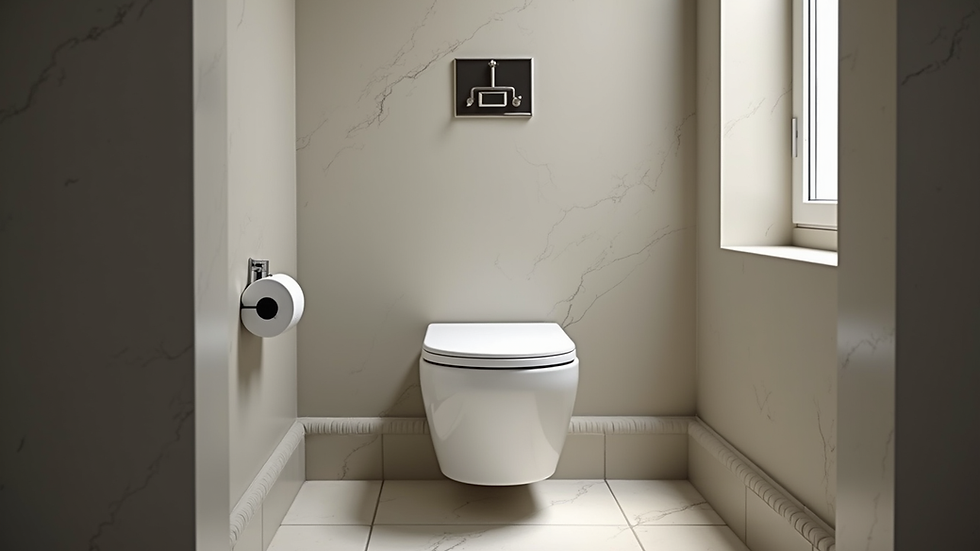
One-piece upflush toilets combine the toilet bowl and the flushing mechanism into a single, seamless unit. Unlike standard gravity-flush toilets that rely on gravity to move waste through a downward pipe, upflush toilets use a macerator pump to grind waste and pump it upwards or sideways into the existing drainage system. This design allows installation in locations without direct access to soil stacks or below-floor drainage.
The one-piece design simplifies installation and maintenance by reducing the number of joints and connections. This can lead to fewer leaks and a cleaner aesthetic. For commercial projects or developments where space and plumbing constraints exist, these toilets provide a flexible and efficient solution.
Advantages of One-Piece Upflush Toilets
One-piece upflush toilets offer several advantages that make them attractive for various commercial and residential applications:
Flexible Installation: Because the waste is macerated and pumped, these toilets can be installed far from the main soil stack or below the sewer line. This flexibility is ideal for basements, attics, or converted spaces.
Space-Saving Design: The compact, integrated design fits well in tight spaces, making it easier to add bathrooms in areas where traditional toilets would be impractical.
Simplified Plumbing: Upflush toilets require only a small-diameter discharge pipe, which can be routed through walls or ceilings without major structural changes.
Reduced Water Usage: Many models are designed to be water-efficient, helping projects meet sustainability goals.
Ease of Maintenance: The one-piece construction reduces crevices where dirt and bacteria can accumulate, making cleaning easier and more hygienic.
For developers and contractors, these benefits translate into faster installation times, lower labour costs, and the ability to offer bathrooms in unconventional locations without extensive plumbing work.
What Are the Disadvantages of Upflush Toilets?
Despite their many benefits, upflush toilets are not without drawbacks. Understanding these limitations is crucial when specifying products for your projects:
Dependence on Electricity: The macerator pump requires power to operate. In the event of a power outage, the toilet may not function properly, which could be a concern in certain commercial or hospitality settings.
Noise Levels: The grinding and pumping mechanism can generate noise during flushing. While many manufacturers have improved sound insulation, some noise is inevitable.
Maintenance Requirements: The pump and macerator components may require periodic servicing or replacement, adding to long-term maintenance considerations.
Cost: Upflush toilets generally have a higher upfront cost compared to traditional gravity-flush models. This includes both the fixture and the electrical installation.
Limited Waste Capacity: These toilets are designed for typical domestic or light commercial use. Heavy usage or inappropriate waste disposal can lead to blockages or pump failure.
Balancing these factors against the installation benefits is key to making an informed decision.

How to Choose the Right One-Piece Upflush Toilet for Your Project
Selecting the right one-piece upflush toilet involves several practical considerations:
Assess Installation Location
Evaluate the space constraints, access to power, and proximity to existing drainage. Upflush toilets excel where traditional plumbing is difficult or costly to install.
Check Pump Capacity and Noise Levels
Review manufacturer specifications for pump flow rate and noise ratings. For hospitality or commercial projects, quieter models may be preferable.
Water Efficiency and Compliance
Ensure the toilet meets local water efficiency standards and building codes. Many models offer dual-flush options to reduce water consumption.
Maintenance and Warranty
Consider the ease of servicing the macerator pump and the availability of replacement parts. A solid warranty can provide peace of mind.
Compatibility with Waste Systems
Confirm that the discharge pipe size and routing options fit your building’s drainage layout.
Aesthetic and Design
One-piece toilets come in various styles and finishes. Choose a design that complements the overall bathroom look and meets client expectations.
By carefully evaluating these factors, you can specify a product that delivers performance, reliability, and value.
Installation Tips for One-Piece Upflush Toilets
Proper installation is critical to ensure the longevity and functionality of upflush toilets. Here are some actionable recommendations:
Professional Electrical Connection
Since the pump requires power, ensure a qualified electrician installs a dedicated circuit with appropriate safety devices.
Ventilation and Access
Provide adequate ventilation around the macerator unit to prevent overheating. Also, allow easy access for maintenance and repairs.
Use Correct Pipe Materials
Follow manufacturer guidelines for discharge pipe materials and diameters to avoid blockages and ensure efficient waste removal.
Test the System Thoroughly
After installation, perform multiple flush tests to check for leaks, noise, and pump operation.
Educate End Users
Inform users about what can and cannot be flushed to prevent damage to the macerator pump.
These steps help avoid common pitfalls and ensure smooth operation.
Why One-Piece Upflush Toilets Are a Smart Choice for Modern Projects
In my experience, one-piece upflush toilets represent a smart investment for projects that demand flexibility and efficiency. They open up new possibilities for bathroom placement without the need for costly and disruptive plumbing renovations. Whether you are outfitting a boutique hotel, a commercial office, or a residential development, these toilets can simplify your design and installation process.
Moreover, the integration of the macerator pump within a sleek, one-piece unit reduces installation complexity and enhances hygiene. This combination of innovation and practicality aligns well with the goals of modern sanitaryware suppliers and project contractors aiming to deliver quality and value.
If you want to explore options further, consider the one piece upflush toilet range, which offers a variety of models tailored to different project needs.
By understanding the features, benefits, and limitations of one-piece upflush toilets, you can make informed decisions that support your business goals and satisfy your clients’ requirements. These toilets are more than just fixtures - they are solutions that bring convenience, efficiency, and innovation to modern bathroom design.


Comments